


Attention if you leak urine when you cough: Not every urinary incontinence problem requires surgery.


Urinary incontinence is a health problem that affects the quality of life for many women, but is often difficult to talk about. Involuntary leakage of urine, especially when coughing, sneezing, laughing, or lifting heavy objects, can negatively impact women's social lives, work lives, and self-confidence.
Many women do not seek treatment for urinary incontinence, considering it a natural consequence of aging. However, nowadays, when the cause of urinary incontinence is properly assessed, there are many effective treatment alternatives, ranging from non-surgical methods to surgical options.
Urinary Incontinence Why does this happen?
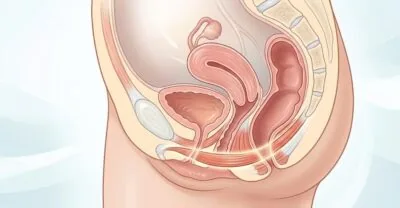
Urinary incontinenceThis can occur as a result of weakening of the pelvic floor muscles or loosening of the supporting tissues that support the bladder and urethra.
The most common causes of this condition are:
- Pregnancy and normal births
- Old age
- Menopause
- Excess weight
- Chronic cough
- Constipation
- Jobs that require heavy lifting
- Pelvic organ prolapse
- Previous pelvic surgeries
Weakening of the pelvic floor muscles can cause the bladder and urethra to lose adequate support. As a result, involuntary urinary incontinence may occur during movements that increase intra-abdominal pressure.
What does it mean to leak urine when coughing or sneezing?

This situation usually "stress incontinence" olarak adlandırılır.
In stress incontinence, the person;
- When coughing
- When sneezing
- While laughing
- While running
- While exercising
- While climbing the stairs
She may leak urine.
The word "stress" here refers to physical pressure applied to the bladder, not psychological stress.
It is especially common in the postpartum period and after menopause. The severity of the complaint can range from a few drops of blood to levels that seriously affect daily life.
A proper assessment is essential before deciding on treatment.

The most important step in the treatment of urinary incontinence is accurate diagnosis.
The same method is not applied to every patient. This is because urinary incontinence may not be caused solely by muscle weakness. In some patients, vaginal laxity, pelvic organ prolapse, or bladder dysfunction may also be present.
Therefore, during the examination;
- Pelvic floor support
- Level of vaginal relaxation
- Presence of sagging
- Type of urinary incontinence
- The patient's age and expectations
They should be evaluated together.
The most important factor determining the success of treatment is personalized planning.
Non-surgical treatments for mild and moderate symptoms.

In recent years, technological advancements have brought non-surgical options to the forefront for some patients.
Pelvic Floor Exercises
Exercises aimed at strengthening the pelvic floor muscles can be particularly beneficial in early-stage cases.
When applied regularly;
- Bladder support may increase.
- The frequency of urinary incontinence may decrease.
- Pelvic floor awareness may develop.
Vaginal Laser Applications
Vaginal laser treatments aim to stimulate collagen production by creating controlled tissue regeneration.
In suitable patients;
- Supporting the vaginal tissue
- To reduce mild urinary incontinence symptoms.
- To increase the feeling of vaginal tightness.
It can contribute.
Radiofrequency Treatments
Procedures that use radiofrequency energy aim to tighten and rejuvenate tissues.
It can be evaluated especially in women with mild vaginal laxity and early loss of pelvic support.
HIFU Applications
High-intensity focused ultrasound (HIFU) is one of the methods used to support tissue growth in specific patient groups.
These procedures are not suitable for every patient. The best results are achieved with the right patient selection.
When does surgical treatment become an option for severe urinary incontinence?
In some patients, the laxity in the connective tissues is advanced.
Especially;
- Abduction, which seriously affects daily life.
- Significant pelvic organ prolapse
- Insufficient benefit was observed from non-surgical methods.
Surgical options may be considered in these cases.
Modern surgical techniques allow for successful outcomes in many patients. However, the decision to operate should be made after a thorough examination.
Is Postpartum Urinary Incontinence Normal?
Temporary or permanent weakening of the pelvic floor muscles may occur after childbirth.
Therefore, some women;
- Urinary incontinence
- Vaginal relaxation sensation
- Pelvic pressure sensation
viable.
This condition is not always permanent. With early assessment and appropriate treatment planning, significant improvement can be achieved in many patients.
Instead of feeling ashamed, one should be valued.

Urinary incontinence is a fairly common health problem in women. However, its frequent occurrence does not mean it should be considered normal.
If you experience urinary incontinence when coughing, sneezing, or during daily activities, the underlying cause should be investigated. Today, there are many options available, ranging from pelvic floor exercises to laser, radiofrequency, and HIFU treatments, and even surgical treatments if necessary.
The important thing is to accurately assess which method is right for you.
Dr. Tuba Nadide Yilmaz Thanks to detailed assessments conducted within our organization in the fields of women's health and genital aesthetics, personalized treatment plans can be created, and appropriate solutions can be offered for this problem that affects quality of life.
For more information and to schedule an appointment you can contact us.


