

Pregnancy Guide for Eid al-Adha: What Should Expectant Mothers Pay Attention To?

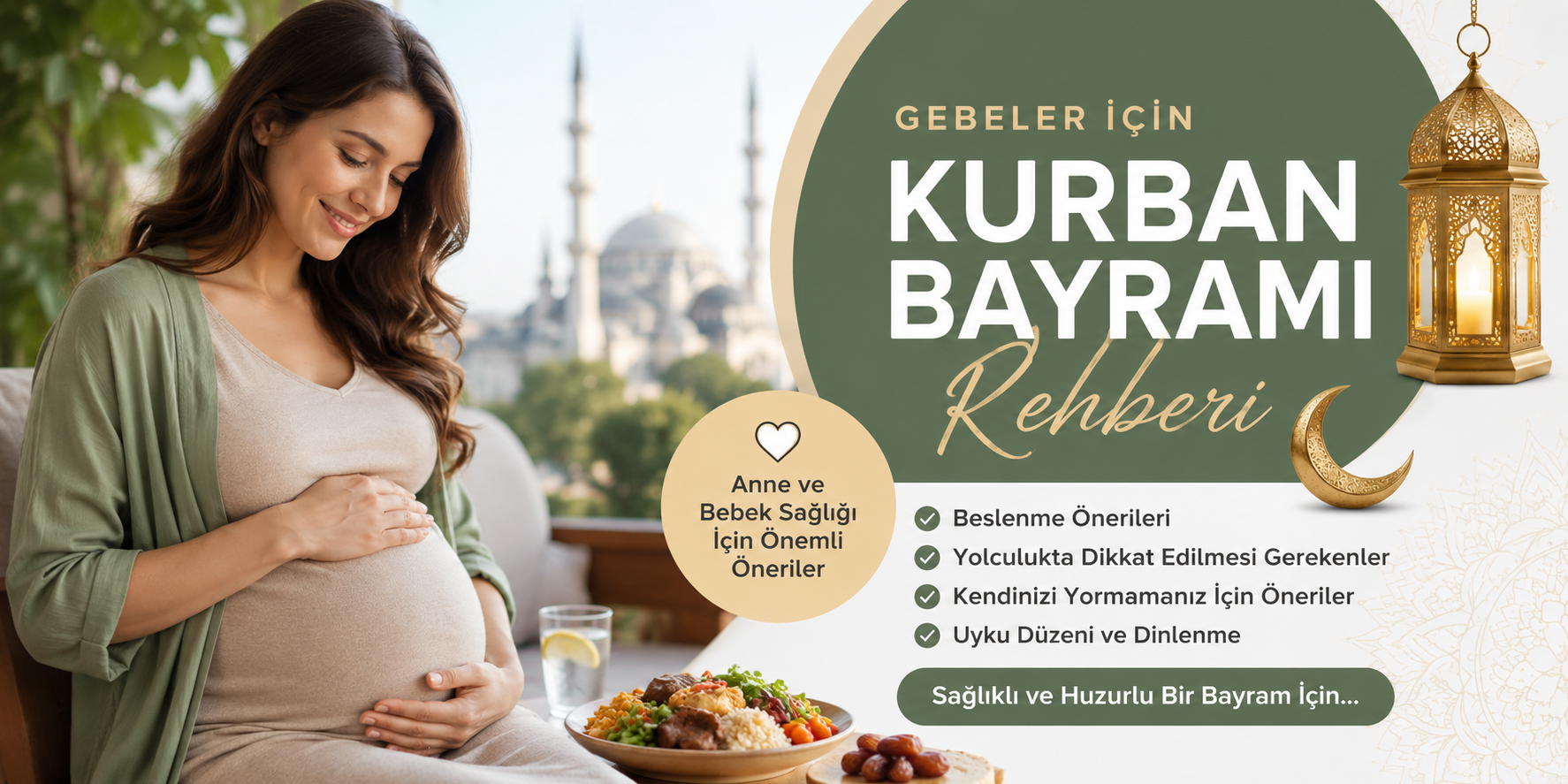
Holidays bring with them family visits, large meals, travel, and a hectic pace of life. However, the body's needs change during pregnancy. Especially during Eid al-Adha, which falls in the summer months, hot weather, irregular eating habits, strenuous physical activity, and long journeys can make things more challenging for expectant mothers.
During pregnancy, it is important for expectant mothers to act in a way that protects both their own health and the baby's development. Therefore, rest schedules, eating habits, and physical exertion should definitely be taken into consideration when making holiday plans.
Things Pregnant Women Should Be Aware Of During Eid al-Adha
Changes in daily routines during holiday periods can cause fatigue, stomach problems, blood pressure fluctuations, and sleep disturbances in expectant mothers. Standing for long periods and engaging in strenuous activities, especially in later weeks of pregnancy, can increase uterine contractions.
Therefore, pregnant women should spend the holiday period as carefully and strategically as possible.
Pregnancy at Holiday Feasts NutritionAnd how should it be?
One of the first things that comes to mind when Eid al-Adha is mentioned is the heavy consumption of meat. However, the digestive system works more sensitively during pregnancy. Excessively fatty, heavy, and spicy foods can increase complaints of heartburn, reflux, indigestion, and constipation.
Things to Consider When Consuming Meat

Consuming freshly cut meat immediately can cause digestive problems. The meat needs to be rested and cooked thoroughly. Eating undercooked or raw meat can increase the risk of infection.
During pregnancy, particular attention should be paid to the following points:
- The meat should be well cooked.
- Boiling or grilling should be preferred over roasting and frying.
- Foods that are excessively salty and spicy should be avoided.
- Gün içinde yeterli su tüketilmelidir.
- Portion control is practiced when consuming sweets.
Since daily fluid needs increase during pregnancy, dehydration in hot weather can cause headaches, low blood pressure, and fatigue.
Should pregnant women tire themselves out with holiday cleaning and kitchen chores?
The intense cleaning and preparation process before the holiday can be physically challenging for many expectant mothers. Activities such as bending, lifting heavy objects, and standing for long periods can increase back pain and pressure on the groin area.
Actions to Avoid
Gebelikte aşağıdaki hareketlerden mümkün olduğunca kaçınılmalıdır:
- Carrying heavy loads
- Climbing stairs for a long time
- Constantly bending and standing up
- Working on your feet for hours
- Making sudden movements
- Prolonged immobility
Physical exertion can trigger uterine contractions, especially in high-risk pregnancies. Therefore, expectant mothers should not hesitate to seek help.
Sensitivity to Smells May Increase During Holidays in Pregnancy

Due to pregnancy hormones, many expectant mothers may develop increased sensitivity to smells. This is especially true during the first trimester, to the smell of meat, strong food odors, cigarette smoke, or strong perfumes. nausea It can increase.
Tips for Reducing Sensitivity to Smells
- The environment should be ventilated frequently.
- Avoid prolonged exposure to strongly scented environments.
- Closed kitchens where greasy foods are cooked should be avoided.
- Meals should be small and frequent.
- One should not go hungry.
In some expectant mothers, exposure to strong odors can also trigger dizziness and vomiting.
How do changing cities and climates affect pregnant women?

Traveling to different cities for holiday visits can increase fatigue during pregnancy. Sudden temperature changes, air conditioning use, and crowded environments can create a breeding ground for upper respiratory tract infections.
Things to Consider During Weather Changes
- Avoid spending long periods of time in enclosed and crowded spaces.
- Air conditioners should not come into direct contact with the body.
- Regular fluid intake should not be neglected.
- Sleep patterns should be maintained.
- If you develop fever, weakness, or shortness of breath, you should consult a doctor.
Because the immune system can fluctuate during pregnancy, infections may be more severe.
Is Traveling During Holidays Safe During Pregnancy?
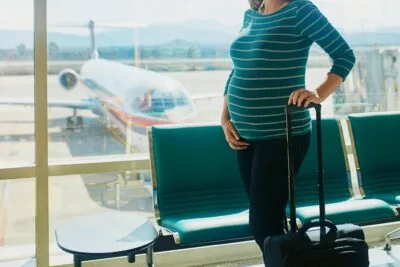
Travel by land, air, or sea during pregnancy should be evaluated according to the gestational week and the mother's health condition. Prolonged immobility, in particular, can cause edema in the legs and circulatory problems.
Things to Consider When Traveling by Road
- Take a break every 1-2 hours.
- Short walks should be taken.
- The seatbelt should be placed under the abdomen.
- One should not become dehydrated.
On Air Travel Points to Consider
- Frequent movement is necessary during long flights.
- Comfortable clothing should be preferred.
- In high-risk pregnancies, medical approval should be obtained.
Things to Consider During a Sea Journey
- Pregnant women experiencing severe nausea should be cautious.
- Avoid prolonged exposure to the sun.
- Support should be used in areas at risk of slipping.
Why is sleep schedule important during holidays?

Staying up late due to holiday visits can increase fatigue and stress levels during pregnancy. Insufficient sleep can cause blood pressure changes and headaches in some expectant mothers.
Tips for Healthy Sleep
- You should go to sleep at similar times every day.
- Heavy meals should be avoided in the evening.
- Sleeping on the left side is preferable.
- Short breaks should be taken throughout the day.
Quality sleep is important for both the mother-to-be and the baby's development.
In which situations Should I consult a doctor?
If any of the following symptoms develop during the holiday period, a gynecologist should be consulted immediately:
- Severe abdominal pain
- Vaginal bleeding
- Water coming
- Regular contractions
- Severe headache
- Visual impairment
- Decrease in fetal movements
- High fever
Regular medical check-ups should not be neglected, especially in high-risk pregnancies.
It is possible to enjoy the holidays in a healthy way during pregnancy.

Celebrating holidays during pregnancy can be both enjoyable and safe with proper planning. The important thing is for the expectant mother to know her limits and avoid pushing her body too hard. Balanced nutrition, sufficient rest, and controlled exercise make the pregnancy process more comfortable.
As Op. Dr Tuba Nadide Yılmaz Thanks to the up-to-date approaches offered in pregnancy monitoring, childbirth processes, and women's health, expectant mothers can manage their pregnancy more consciously and safely. Individual assessment and regular follow-up play an important role in protecting the health of both mother and baby, especially during non-routine periods such as holidays.
As Op. Dr Tuba Nadide Yılmaz ve Ekibi; Sağlıklı, Bereketli, Mutlu Bayramlar Diler.


