
When HPV vaccine is mentioned, many people only think of adolescence. However, the most frequently asked questions today are “Can the HPV vaccine be given after the age of 30?” and “Can you get vaccinated when HPV is positive?”.
Human Papilloma Virus (HPV), one of the most important causes of cervical cancer, is a common virus that most women and men may encounter throughout life. HPV vaccines developed today can provide effective protection against some high-risk HPV types.
However, there is an important point to know here. HPV vaccine is not a treatment for existing infection. The main purpose of the vaccine is to create immunity against HPV types that the person has not yet encountered.
What is the HPV Vaccine?
HPV vaccine is a vaccine that provides protection against high-risk virus types that can cause many HPV-related diseases, especially cervical cancer.
HPV vaccines used today;
- To reduce the risk of cervical cancer,
- To reduce the incidence of precancerous lesions,
- It aims to protect against some types of HPV that cause genital warts.
The vaccine does not contain live virus and does not cause infection.
Can You Have the HPV Vaccine After 30?

Yes, it can be done.
Although there is a common belief in society that the HPV vaccine can only be administered at young ages, this is not true.
Up to what age can the HPV vaccine be administered?
According to international guidelines;
9-26 years old
is the routinely recommended age group for HPV vaccination. During this period, the protection of the vaccine is at its highest level.
27-45 years old
HPV vaccination is not completely unnecessary in this age group. On the contrary, it can be beneficial for many people. However, the decision should be made together with the gynecologist and obstetrician by evaluating the person's life history and risk factors.
In particular:
- People with the possibility of new partners,
- Individuals who have not been vaccinated before,
- People who may have never encountered some types of HPV,
may benefit from vaccination.
Can You Be Vaccinated If You Are HPV Positive?

The answer to this question is often yes.
A positive HPV test does not mean that the person is infected with all types of HPV.
More than 200 types of HPV have been identified, and only some of them are in the high-risk group. Vaccines used today provide protection against more than one HPV type.
Therefore, a person who is HPV positive can be protected by vaccination against HPV types that he has not encountered before.
However, it should not be forgotten that;
HPV vaccine does not cure existing infection
Vaccine;
- Does not clear HPV from the body,
- Does not turn a positive HPV test into negative,
- Does not treat existing warts.
- Does not eliminate existing cellular changes.
Therefore, the treatment and follow-up plan and vaccination in HPV-positive individuals are different processes.
Who May Benefit from HPV Vaccination?
When evaluating the HPV vaccine, not only age but also the person's life history should be taken into account.
Situations taken into account in the physician's evaluation
- Age
- Whether or not the HPV vaccine has been received before
- HPV test results
- Smear result
- History of colposcopy
- Number of partners and future risk situation
- Diseases that affect the immune system
Therefore, the same recommendation cannot be made for every individual.
Can You Stop Cervical Screening After HPV Vaccination?

No.
This is one of the most frequently misunderstood topics.
Although the HPV vaccine significantly reduces the risk of cervical cancer, it does not protect against all types of HPV.
Therefore;
- Smear test,
- HPV DNA test,
- When necessary colposcopy,
should be continued regularly according to the age and risk group of women.
The World Health Organization (WHO) considers HPV vaccination and cervical cancer screening as two basic prevention methods that complement each other.
Can Men Have the HPV Vaccine?
Yes.
HPV is not an infection that only affects women.
Also in men;
- Genital warts,
- Anal cancer,
- Penile cancer,
- Some head and neck cancers,
May be related to HPV.
Additionally, vaccination of men may contribute to the reduction of HPV circulation in society.
Do You Still Need Protection After HPV Vaccination?
Yes.
Although the HPV vaccine provides significant protection, it is not sufficient on its own.
Suggestions for protection
- Not skipping regular gynecological check-ups
- Having Smear and HPV tests done at recommended intervals
- Being conscious about safe sexual life
- To be evaluated without delay in case of suspicious symptoms
- Complying with the follow-up plan recommended by the physician
When Should You See a Gynecologist?
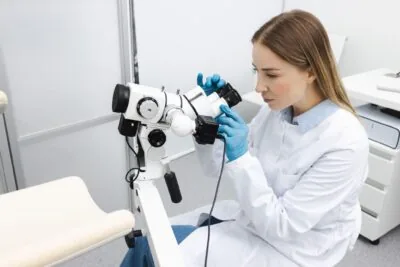
Obstetrician evaluation is important in the following cases:
- HPV test positive
- Abnormal smear result
- Genital warts
- Recurrent HPV infection
- Planning to get the HPV vaccine
- Finding test results requiring colposcopy
The correct follow-up plan prevents unnecessary anxiety and ensures that possible risks are evaluated at an early stage.
Conclusion
HPV vaccine can also be administered after the age of 30 and may provide protective benefits in suitable individuals. Being HPV positive does not always mean that the vaccine cannot be given. However, it should not be forgotten that the vaccine does not cure the existing infection.
HPV vaccine decision; Age, HPV type, smear results, colposcopy history and personal risk factors should be evaluated together. Maintaining regular cervical cancer screenings is also an indispensable part of prevention.
For detailed evaluation of HPV vaccine, HPV infection, smear test, HPV DNA test and colposcopy processes, personalized follow-up plan and approach in accordance with current scientific guidelines, Op. Dr. Tuba Nadide Yılmaz provides consultancy and evaluation within the scope of gynecology and obstetrics examination. For information and appointment you can contact .
We are here for your questions
Contact our clinic for information and appointment requests.
Contact the clinic