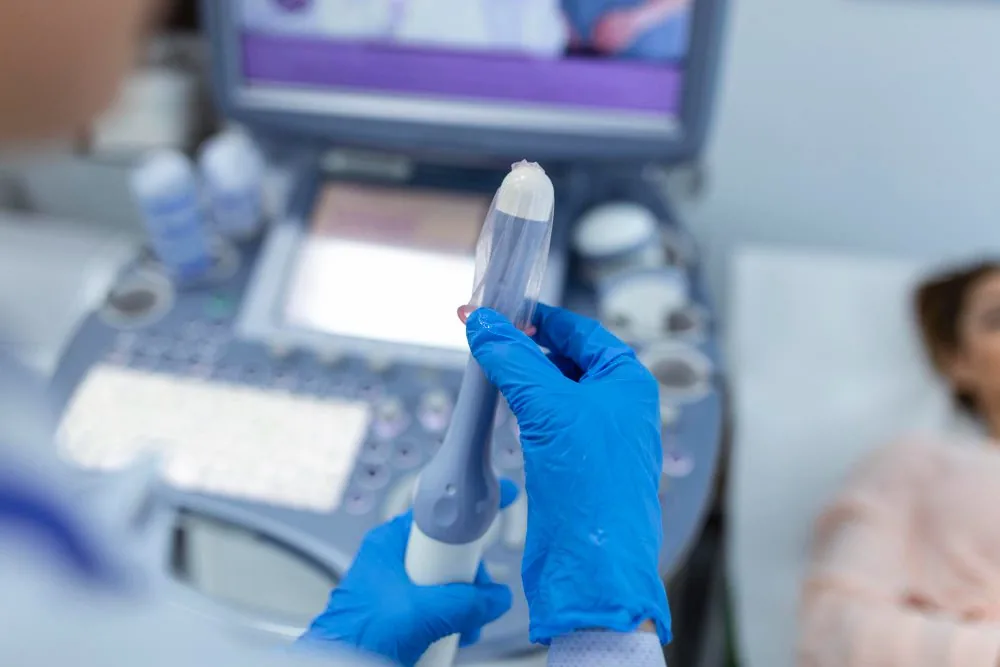
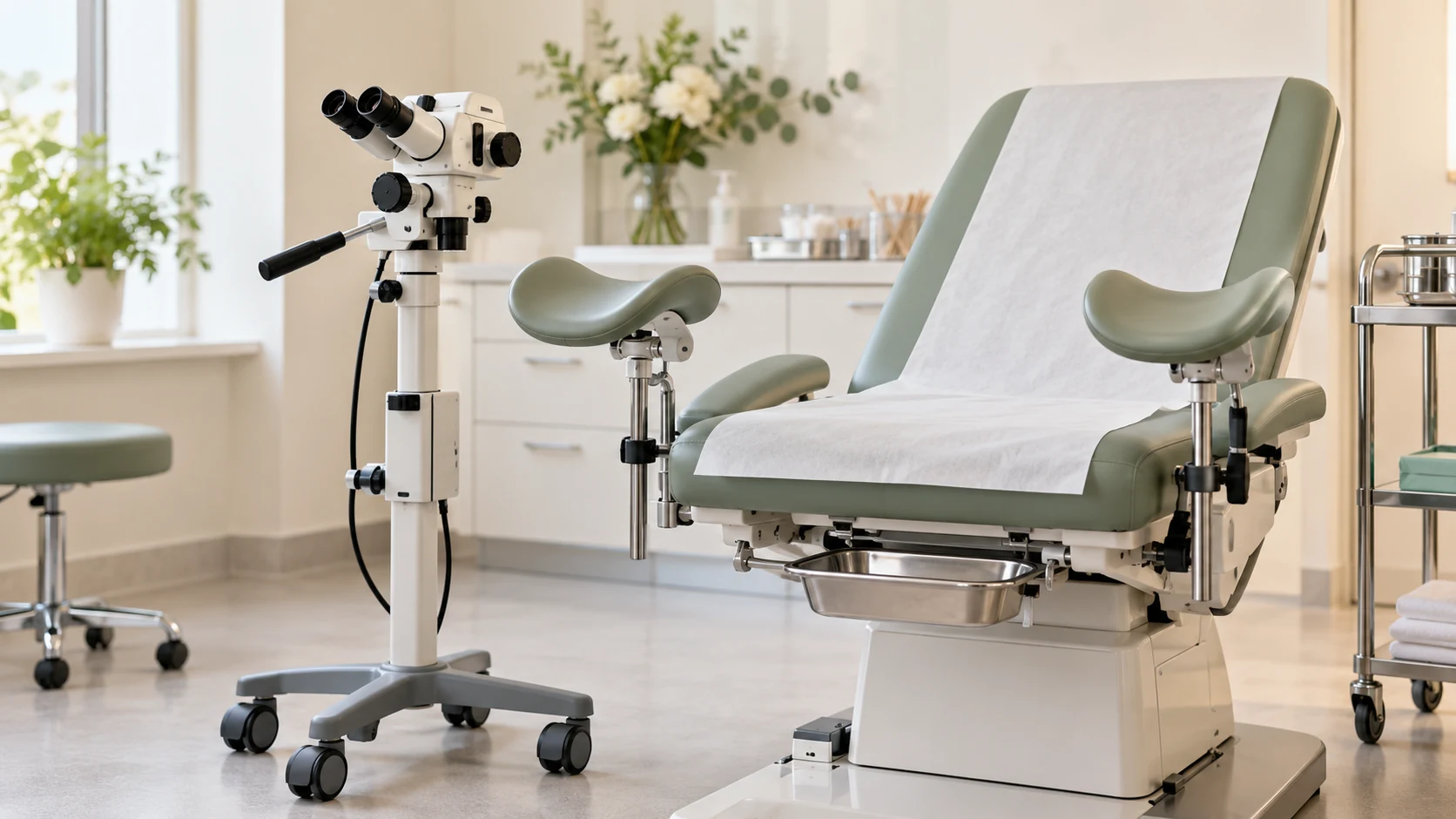
Colposcopy, one of the important methods used in the evaluation of cervical health, is a detailed examination method used especially when suspicious results are seen in the smear test or HPV test. Although the name may cause anxiety in many people when they first hear it, the procedure is often completed in a short time and can generally be performed comfortably.
Thanks to the colposcopy procedure, which is frequently used in gynecology and obstetrics practice, cellular changes in the cervix can be evaluated at an early stage and, when necessary, a biopsy can be taken for more detailed examination.
What is Colposcopy?

Colposcopy is an assessment method that allows for a detailed examination of the cervix using a special magnifying and illuminated device. The device used during the procedure, called a "colposcope," magnifies tissues several times, helping to more clearly assess changes that are difficult to see with the naked eye.
During colposcopy, the cervix, vagina, and, if necessary, the external genitalia can be examined in detail. Suspicious areas can be highlighted with the help of special solutions.
This method plays a particularly important role in cervical cancer screening.
Why is colposcopy performed?
Colposcopy is often recommended when an abnormal result is found on a smear test or HPV test. The aim is to more clearly assess the extent of cellular changes in the cervix.
Situations That May Require Colposcopy
- High-risk HPV positivity
- Abnormal cells detected in a smear test.
- Recurrent smear abnormalities
- Suspicious appearance observed in the cervix
- Previous history of cervical lesions
- Some gynecological findings that do not have an explanation.
Colposcopy allows for early assessment of changes in the cervix and, if necessary, the development of an appropriate follow-up plan.
How is Colposcopy Done?

Colposcopy is usually performed in an office or outpatient clinic setting. Most of the time it does not require hospitalization.
During the procedure, the patient is in a gynecological examination position. After a speculum is inserted into the vagina, the cervix is cleaned with special solutions. Then, the area is examined in detail using a colposcope.
A colposcope does not come into contact with the body. It only provides external imaging.
If a suspicious area is seen, small tissue samples can be taken. This procedure is called biopsy.
Does Colposcopy Hurt?
Colposcopy is generally well-tolerated by most people. Significant pain is usually not felt during the procedure.
In cases where a biopsy is not performed, only a slight feeling of pressure may occur. If a biopsy is necessary, a mild cramping sensation similar to short-term menstrual cramps may be experienced.
Mild spotting after the procedure is considered normal and usually resolves quickly.
What Should Be Considered Before Colposcopy?
Some simple preparations before colposcopy can help the procedure be evaluated more accurately.
Things to Consider Before the Procedure
- Care should be taken to avoid menstruation.
- Vaginal intercourse is not recommended 24-48 hours before the procedure.
- Vaginal creams or medications should not be used.
- Vaginal douching should be avoided.
- Medications being used should be reported to the doctor.
It is important to follow the doctor's recommendations before the procedure.
What is the Process After Colposcopy?
After a colposcopy, a person can usually return to their daily life shortly.
If a biopsy has been taken, you may experience light spotting or dark-colored discharge for a few days. This is usually normal.
Things to Consider After the Procedure
- Tampons should not be used for a few days.
- A short break from vaginal intercourse may be recommended.
- The follow-up plan recommended by the doctor should be followed.
- In case of severe pain or heavy bleeding, consult a physician.
When the biopsy results are available, the follow-up process is planned individually for each patient.
When will the results of colposcopy be available?
In colposcopies that only involve imaging, a preliminary assessment can be made during the procedure. If a biopsy is taken, pathology results are usually available within a few days.
Based on the results, regular follow-up, monitoring, or further treatment options may be considered if deemed necessary.
Is Colposcopy a Risky Procedure?

Colposcopy is generally considered a safe procedure. The risk of serious complications is quite low.
Some people who undergo biopsy may experience mild bleeding or short-term cramping. Infection and heavy bleeding are rare.
It is important that the procedure is performed by experienced gynecologists and obstetricians.
Why is Colposcopy Important?

Cellular changes in the cervix often do not show symptoms in the early stages. Colposcopy helps to assess these changes early.
Regular follow-up is especially important for individuals who test positive for HPV or have abnormal smear tests. Early assessment allows for timely treatment planning when necessary.
Regular checkups in the field of women's health play an important role in the early diagnosis of cervical diseases.
Op. serving in Basaksehir. Dr. Tuba Nadide Yılmaz offers evaluation and follow-up services with a personalized approach in the field of women's health, HPV monitoring, smear evaluation and colposcopy.
For more information and to make an appointment, you can contact us at .
We are here for your questions
Contact our clinic for information and appointment requests.
Contact the clinic