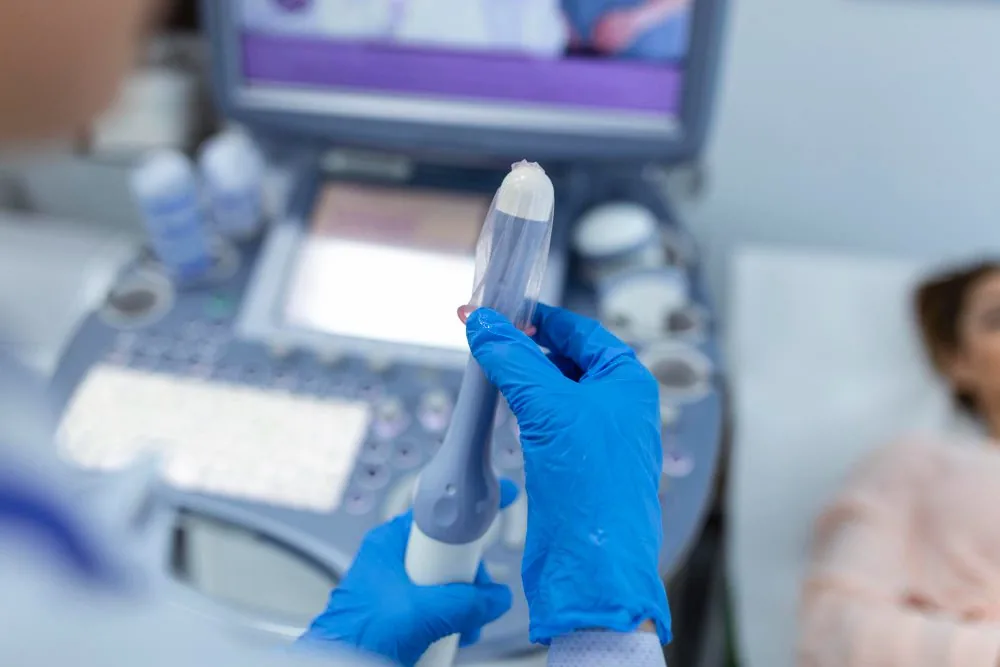

A vaginal swab test or vaginal culture test may sometimes be requested for women who see a gynecologist because of vaginal discharge, an unpleasant odor, itching or burning.
These tests can help assess vaginal symptoms, particularly when they recur, do not respond to treatment, or have no clear cause on examination.
However, not every sample taken from the vagina is a “culture.”
A vaginal swab involves collecting a sample from the vagina using a swab. Depending on the clinical situation, the sample may be examined under a microscope, sent for culture, or tested for specific microorganisms using molecular methods such as PCR or NAAT.
This distinction matters because vaginal infections are not all diagnosed using the same test.
What Is a Vaginal Swab Test?
A vaginal swab test involves collecting a sample of vaginal secretions with a sterile swab.
The sample can be sent to a laboratory and examined using different methods.
Strictly speaking, a swab therefore describes how the sample is collected, rather than the test itself.
The laboratory may use the following methods to examine the sample:
- Microscopic examination
- Culture
- Fungal culture
- Gram staining
- Antigen tests
- Molecular tests such as PCR or NAAT
These are among the available testing methods.
The choice of test depends on the patient's symptoms, examination findings and the infection being investigated.
What Is a Vaginal Culture Test?
A vaginal culture test examines a sample taken from the vagina to see whether specific microorganisms grow under laboratory conditions.
Its purpose is to help identify microorganisms that may be causing an infection.
However, there is an important distinction:
Not every vaginal infection is diagnosed with a culture test.
Culture may be used to identify certain microorganisms, while microscopy or molecular tests may be more appropriate for other infections.
It is therefore incorrect to assume that every vaginal infection requires a culture.
Are a Vaginal Swab and a Vaginal Culture the Same Thing?

Not exactly.
The two terms are often used interchangeably in everyday language.
Medically, however:
A vaginal swab is a method of collecting a sample.
A vaginal culture is one of the laboratory methods used to examine that sample.
For example, a vaginal swab can be cultured for Candida or sent for PCR testing to investigate specific microorganisms.
When a doctor says “we will take a swab,” this does not necessarily mean that a conventional culture will be performed.
Why Might a Vaginal Culture Be Requested?
A vaginal culture test may be used when certain infections are suspected or symptoms keep returning.
A doctor may consider collecting a vaginal sample in the following situations:
- Vaginal discharge
- An unpleasant odor
- Itching
- Burning
- Redness of the vulva
- Discomfort during sex
- Recurrent vaginal infections
- Symptoms that persist despite treatment
A sample may be taken if the doctor considers it necessary in these circumstances.
The choice of test depends on the nature of the symptoms.
Why Is Testing Used for Vaginal Discharge?
Vaginal discharge does not always indicate an infection.
In women of reproductive age, the amount and consistency of vaginal discharge naturally change throughout the menstrual cycle.
Discharge may become particularly clear and stretchy around ovulation.
Discharge with the following features, however, may need assessment:
- An unpleasant odor
- A yellow or greenish color
- A frothy texture
- A thick, cottage cheese-like texture
- Associated itching
- Associated burning
- Associated pain during sex
Discharge with these features may warrant evaluation.
Although its appearance can suggest certain possibilities, discharge should not be diagnosed solely by its color or consistency.
Which Infections Can a Vaginal Culture Detect?
There is no single answer to this question.
The term vaginal culture is sometimes used loosely to cover different laboratory tests.
The method used may vary according to the microorganism being investigated.
Can a Vaginal Culture Detect a Yeast Infection?
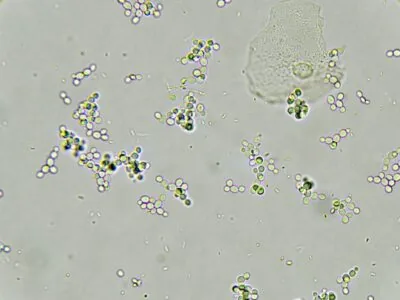
Yes. Candida species can be investigated using appropriate culture methods.
The medical term for a vaginal yeast infection is vulvovaginal candidiasis.
Candida albicans is the most common cause, but other Candida species can also cause infection.
Typical symptoms may include:
- Intense itching
- Burning of the vulva
- Redness
- Sensibility
- Thick white discharge in some women
These are possible symptoms.
However, the symptoms can overlap with those of other vaginal conditions.
Does Every Yeast Infection Require a Culture?
No.
In typical, uncomplicated cases, clinical assessment and appropriate microscopic examination may be sufficient.
However:
- The infection recurs frequently
- It does not respond to standard treatment
- Symptoms persist
- Candida species other than Candida albicans are suspected
- Complicated candidiasis is suspected
In these situations, methods such as culture or PCR may play a more important role.
Does Finding Candida in a Vaginal Culture Always Mean There Is an Infection?
No.
This is an important point.
In some women, Candida can be present in the vaginal flora without causing any symptoms.
Finding Candida in a laboratory sample therefore does not, by itself, mean that treatment is necessary.
The result should be assessed alongside symptoms such as itching, burning and discharge, as well as examination findings.
Treatment should address the patient, rather than the laboratory result alone.
Can Bacterial Vaginosis Be Diagnosed by Culture?

Bacterial vaginosis is a condition involving a change in the balance of the vaginal microbiota.
Lactobacillus species, which normally predominate in the vaginal environment, may decrease while various anaerobic bacteria increase.
Thin, uniform vaginal discharge with a characteristic unpleasant odor is a common feature of bacterial vaginosis.
However, routine vaginal culture is not the recommended primary method for diagnosing bacterial vaginosis.
Diagnosis may involve clinical criteria, vaginal pH, microscopic assessment and, where appropriate, molecular tests.
This is because bacterial vaginosis is not a conventional infection caused by a single bacterium.
Does a Positive Gardnerella Vaginalis Result Mean Bacterial Vaginosis?
Not always.
Gardnerella vaginalis is one of the microorganisms associated with bacterial vaginosis.
However, Gardnerella can also be present in some healthy women.
A positive Gardnerella result alone therefore does not establish that a person has bacterial vaginosis.
The result must be interpreted alongside symptoms and other test findings.
Can a Vaginal Swab Detect Trichomonas?
Trichomonas vaginalis is a protozoan parasite that can be transmitted through sexual contact.
It can cause symptoms such as vaginal discharge, an unpleasant odor, itching, burning and discomfort when urinating.
However, some people have no symptoms.
A vaginal swab sample can be used to investigate Trichomonas.
Molecular tests, particularly NAAT methods, are now among the highly sensitive methods used to detect Trichomonas.
Assessment should therefore not be thought of as limited to conventional culture or microscopy.
Can a Vaginal Swab Detect Sexually Transmitted Infections?
Vaginal swabs can be used to test for some of these infections.
Examples include:
- Chlamydia trachomatis
- Neisseria gonorrhoeae
- Trichomonas vaginalis
Molecular tests can be performed on vaginal samples to investigate these infections.
Again, it is important to distinguish between culture and molecular testing.
Nucleic acid amplification tests, known as NAATs, are now widely used, particularly to investigate infections such as chlamydia and gonorrhea.
Can a Vaginal Culture Detect HPV?

No.
HPV is not assessed using a conventional vaginal culture test.
Specific HPV tests look for the virus's genetic material.
Similarly, HPV testing and cervical smear testing are not the same thing.
A cervical smear examines cellular changes in the cervix, whereas an HPV test looks for high-risk HPV types.
A normal vaginal culture result therefore does not establish that HPV is absent.
How Is a Vaginal Swab Taken?
How is a sample collected for a vaginal culture? This is a common question among women having the procedure for the first time.
The patient is positioned for a gynecological examination.
A speculum may be used when needed to examine the vagina.
A sterile swab is gently placed against the area of the vagina being assessed to collect a sample of secretions.
The sample is placed in a suitable transport container and sent to the laboratory.
Collecting the sample usually takes little time.
Is Taking a Vaginal Culture Sample Painful?
Significant pain is not expected for most people.
Brief pressure or discomfort may be felt when the swab touches the tissue or a speculum is used.
However:
- Marked tenderness due to a vaginal infection
- Vulvar pain
- Vaginismus
- Excessive pelvic floor muscle tension
- Vaginal dryness
- Tissue sensitivity after menopause
These conditions may make the examination more uncomfortable.
Tell the doctor if you feel pain during the procedure.
How Many Minutes Does a Vaginal Swab Take?
The sample can usually be collected within a few minutes.
However, the gynecological examination, discussion of symptoms and any other necessary assessments may make the overall appointment longer.
Taking the swab itself is a brief procedure.
How Long Do Vaginal Culture Results Take?
Turnaround time depends on the test and the laboratory.
Some microscopic assessments can provide results quickly.
Turnaround times for molecular tests vary between laboratories.
Culture may take longer because microorganisms need time to grow under laboratory conditions.
Some fungal cultures may take longer than bacterial investigations.
There is therefore no single answer to how long vaginal culture results take that applies to everyone.
What Should You Consider Before a Vaginal Culture?

Preparation advice may vary depending on the type of test.
Follow any specific preparation instructions provided by your doctor or laboratory.
Recent use of the following products or medicines may be particularly relevant:
- Vaginal suppositories
- Vaginal creams
- Antifungal medicines
- Antibiotics
- Vaginal douching products
These may affect some test results.
Tell your doctor about any medicines you are using before the procedure.
Do not stop medication or change treatment before testing without medical advice.
Can a Vaginal Culture Sample Be Taken During Your Period?
This may depend on the purpose of the test.
Heavy menstrual bleeding can make some vaginal samples more difficult to assess.
However, menstruation does not absolutely prevent assessment when it is urgent or necessary.
Whether to postpone the test should be decided according to the clinical situation.
Does Every Case of Vaginal Discharge Require a Culture?
No.
This is one of the key points of this article.
Not every case of vaginal discharge requires a vaginal culture test.
Normal physiological discharge is not an infection.
Some vaginal infections can also be diagnosed using the patient's history, a gynecological examination, vaginal pH and microscopic assessment.
The symptoms should guide the choice of tests.
Can an Infection Be Identified by Discharge Color Alone?
Not always.
The color, odor and consistency of discharge can offer clues to certain conditions, but they do not provide a definitive diagnosis.
For example, thick white discharge may suggest a yeast infection, but starting treatment on this finding alone is not always appropriate.
Similarly, an unpleasant odor may suggest bacterial vaginosis, although odor changes can occur with other infections too.
Confirming the diagnosis is therefore important, especially when symptoms recur.
What Does “Normal Flora” Mean on a Vaginal Culture Result?
The vagina is not a sterile environment.
Many microorganisms are present even in a healthy vagina.
Lactobacillus species are particularly important components of the vaginal microbiota.
Finding microorganisms in a laboratory sample therefore does not automatically indicate disease.
The clinical significance depends on the type and amount of microorganisms found, the person's symptoms and other test results.
What Is the Vaginal Microbiota?
The vaginal microbiota is the ecosystem of microorganisms that naturally live in the vagina.
Lactobacillus species predominate in many women of reproductive age.
By helping maintain an acidic vaginal environment, these bacteria help limit the growth of certain harmful microorganisms.
However, the vaginal microbiota can vary from person to person.
Hormonal status, the menstrual cycle, menopause, antibiotic use, sexual activity and other factors can affect it.
A completely “bacteria-free” vagina is therefore not a sign of vaginal health.
Does Growth in a Vaginal Culture Always Require Medication?
No.
A positive culture result alone does not determine whether treatment is needed.
Some microorganisms can be present in the vagina without causing symptoms.
Treatment decisions should therefore take the following factors into account:
- The patient's symptoms
- Examination findings
- The microorganism identified
- The type of test
- A history of recurrent infections
- Special circumstances such as pregnancy
These factors should be assessed together before deciding on treatment.
What Is Antibiotic Susceptibility Testing?
In some bacterial cultures, antibiotic susceptibility testing is performed to determine which antibiotics the bacteria are sensitive or resistant to.
This can help guide the choice of an appropriate antibiotic.
However, antibiotic susceptibility testing is not performed on every vaginal swab sample.
Conditions involving an imbalance in the microbiota, such as bacterial vaginosis, should not be interpreted simply in terms of bacterial growth followed by susceptibility testing.
Why Can Culture Matter in Recurrent Vaginal Infections?
If a woman believes she frequently has yeast infections and repeatedly uses the same medicine, the first question should be whether the diagnosis really is a yeast infection.
Possible causes of recurrent symptoms include:
- Candida infection
- Different Candida species
- Bacterial vaginosis
- Trichomonas
- Sexually transmitted infections
- Dermatological conditions affecting the vulva
- Vaginal dryness
- Genitourinary syndrome of menopause
- Irritant or allergic reactions
These are among the possible causes.
When symptoms recur, identifying the cause is therefore important instead of repeatedly using the same treatment.
Why Can Self-Treatment of Vaginal Infections Be a Problem?
Using an antifungal whenever itching occurs, or an antibiotic whenever there is an unpleasant odor, is not always the right approach.
Incorrect treatment can temporarily alter symptoms, delay the correct diagnosis and lead to unnecessary medication use.
Unnecessary antibiotics, in particular, can also affect the vaginal microbiota.
Gynecological assessment is therefore important when symptoms recur or persist despite treatment.
When Should You See a Gynecologist?
In particular:
- Discharge with an unpleasant odor
- Severe itching
- Vaginal or vulvar burning
- Yellow or green discharge
- Pain during sex
- Burning when urinating
- Sores in the genital area
- Lower abdominal or pelvic pain
- Fever
- Recurrent infections
- Symptoms that persist despite treatment
- New discharge or signs of infection during pregnancy
These symptoms or situations should be assessed.
How Is the Right Test for a Vaginal Infection Chosen?
Not everyone needs the same test.
The patient's symptoms and examination findings are assessed first.
If needed, appropriate investigations may then be selected from:
- Vaginal pH testing
- Microscopy
- Gram staining
- Fungal culture
- Bacterial culture
- NAAT/PCR
- Tests for sexually transmitted infections
The appropriate tests are selected according to the clinical findings.
This approach helps reduce unnecessary testing and inappropriate treatment.
Vaginal Swab and Culture Results Should Be Interpreted Alongside Clinical Findings

A vaginal swab test involves collecting a sample of vaginal secretions. A vaginal culture test is one way of examining that sample in the laboratory.
For symptoms such as vaginal discharge, an unpleasant odor, itching or burning, a swab may be used to investigate Candida, Trichomonas and other microorganisms according to clinical suspicion.
However, conventional culture does not diagnose every vaginal infection. Clinical assessment, pH testing and microscopy may be used for bacterial vaginosis, while molecular tests may be more appropriate for some sexually transmitted infections.
Finding a microorganism in a laboratory sample does not always indicate disease or a need for treatment.
The result of a test for vaginal infection should therefore be interpreted alongside the patient's symptoms and gynecological examination findings.
At Dr Tuba Nadide Yılmaz's Clinic, symptoms such as vaginal discharge, an unpleasant odor, itching, burning and recurrent vaginal infections can be assessed gynecologically. Vaginal swabs, cultures and appropriate laboratory investigations can be arranged when needed.
Contact us to discuss an appropriate treatment plan.
We are here for your questions
Contact our clinic for information and appointment requests.
Contact the clinic