Although vaginal dryness is often associated with menopause, it is not a problem seen only in menopausal women. The postpartum period, breastfeeding, hormonal changes, some medications and different health conditions can also affect the moisture balance of vaginal tissues.
While dryness sometimes only causes mild discomfort, in some women it can cause burning, irritation, pain during sexual intercourse, and sensitivity that interferes with daily life.
Therefore, the answer to the question “what causes vaginal dryness?” is not the same for every woman. For the correct vaginal dryness treatment, the underlying cause of the dryness must first be determined.
What is Vaginal Dryness?
The vagina and surrounding tissues have natural moisture and elasticity under normal conditions. In particular, the estrogen hormone plays an important role in maintaining the thickness, elasticity and natural moisture of vaginal tissues.
As estrogen levels decrease, vaginal tissues can become thinner, dry and sensitive. But hormonal changes are not the only cause of dryness.
Vaginal dryness;
- Burning
- Itching or irritation
- Pain during sex
- Lack of sufficient lubrication during sexual intercourse
- Sensitivity in the genital area It may manifest itself with symptoms such as
.
This condition may be accompanied by complaints about the urinary tract, especially during menopause.
What Causes Vaginal Dryness?

Causes of vaginal dryness cannot be explained by age alone.
Different factors, from hormonal changes to medications used, can affect the moisture balance of vaginal tissues.
Menopause and perimenopause
As menopause approaches, the amount of estrogen produced by the ovaries decreases.
As a result, vaginal tissues may become thinner, dryer and less elastic over time. Decreased vaginal discharge and insufficient lubrication during sexual intercourse may also be observed.
postpartum period
Significant changes occur in hormone levels after pregnancy and birth.
For this reason, a woman who has not experienced vaginal dryness before may encounter this problem for the first time after birth.
Postpartum recovery process, tissue changes that occur during birth, and hormonal status should be evaluated together.
Vaginal dryness during breastfeeding
Estrogen levels may be lower during breastfeeding due to hormonal changes. For this reason, vaginal dryness may occur while breastfeeding.
ACOG also states that postpartum vaginal dryness can be seen especially in breastfeeding women.
This situation is more noticeable in some women when sexual intercourse is resumed.
Are Hormones the Only Cause of Vaginal Dryness?

No.
While hormonal changes are an important cause, they are not the only explanation.
some medications
Some allergy and cold medications and some antidepressants may contribute to vaginal dryness.
Antiestrogen treatments may also have an effect on vaginal tissues.
some health problems
Some diseases that can cause dryness in different parts of the body, such as Sjögren's syndrome, may also be associated with vaginal dryness.
For this reason, it is important to evaluate the general health history of the person, especially in cases of new-onset or long-standing dryness complaints.
Does Vaginal Dryness Affect Sexual Intercourse?
Yes.
Decreased natural lubricity can lead to increased friction. As a result, burning, tenderness or pain may be experienced during sexual intercourse.
Painful sexual intercourse is medically called dyspareunia.
However, vaginal dryness is not the cause of every painful intercourse. Infections, pelvic floor problems, vulvar diseases, endometriosis and different gynecological conditions can also cause pain.
Therefore, recurrent pain should not be attributed solely to dryness.
Why Is Vaginal Dryness More Common During Menopause?
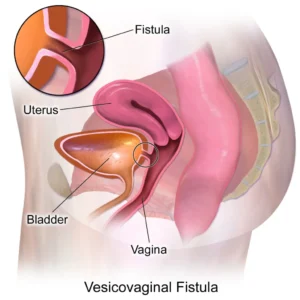
Menopause vaginal dryness The basis of the relationship is the decrease in estrogen levels.
When the changes that occur in the vagina and urinary tract during menopause are seen together, this condition can be called genitourinary syndrome of menopause, that is, GSM.
What can be found among the symptoms of GSM?
- Vaginal dryness
- Burning and sensitivity
- Pain during sex
- Decreased lubricity
- Bleeding after intercourse
- Frequent urination
- Recurrent urinary tract infections
It may be included.
Therefore, vaginal dryness during menopause should not be seen only as a problem related to sexual life.
How to Treat Vaginal Dryness?
Vaginal dryness treatment is determined according to the cause of dryness and the person's life period.
The treatment approach for a woman in menopause and a woman in the postpartum breastfeeding period may not be the same.
Vaginal Moisturizers and Lubricants
In mild vaginal dryness, hormone-free options can be considered as the first step.
vaginal moisturizers
It can be used at regular intervals to support the moisture of vaginal tissues.
lubricants
It is used especially to reduce friction and related discomfort during sexual intercourse.
Moisturizer and lubricant are not the same product. While the first one is used for regular moisture support, lubricants are mostly used during sexual intercourse.
Local Vaginal Estrogen Therapy
In dryness due to estrogen decrease, local vaginal estrogen options can be considered in suitable patients.
These can be administered as a cream, tablet or vaginal ring.
Low-dose topical treatments aim to deliver estrogen directly to the vaginal tissues and can be used to reduce the dryness and irritation associated with menopause.
However, hormone therapy may not be suitable for everyone. Especially in people with a history of hormone-sensitive cancer, treatment should be planned taking into account the person's health history.
Is Vaginal Laser Used in the Treatment of Dryness?

Vaginal laser is one of the energy-based applications that has been investigated in recent years for vaginal dryness and genital complaints related to menopause.
However, due to current scientific data, it is not correct to define laser as a method that replaces standard treatments or eliminates dryness definitively.
ACOG emphasizes that laser and other energy-based vaginal treatments are not approved by the FDA for the treatment of menopause symptoms, and complications such as burns, scarring, painful sexual intercourse, and prolonged pain have been reported.
Therefore, if laser application needs to be evaluated, the person's current treatment options, the cause of the complaint, possible benefits and risks should be discussed together.
Are HIFU and Radiofrequency Used for Vaginal Dryness?

HIFU and radiofrequency are also among the energy-based technologies used or researched in the genital area.
However, the working principles of these technologies are different from each other and it cannot be said that they should be applied to every woman with vaginal dryness.
Especially for menopause-related dryness, there are more established options such as moisturizers, lubricants, and, in suitable patients, local hormonal treatments.
Therefore, device selection should be evaluated after determining the cause of the complaint.
Which Method is Better for Vaginal Dryness?
No single method is best for everyone.
When planning treatment;
- Woman's age
- Menopausal status
- Birth and breastfeeding history
- Severity of dryness
- Pain during sex
- Urinary tract complaints
- Current medicines
- Past illnesses
- Suitability for hormone therapy
- Gynecological examination findings
These factors should be assessed together.
For this reason, it would be better to make a personal evaluation rather than directly applying a single treatment option seen on the internet.
When Should You Consult a Doctor for Vaginal Dryness?
Short-term and mild dryness does not always indicate a serious health problem.
However, gynecological evaluation should not be delayed in some symptoms.
Situations that may require examination
- Long-standing vaginal dryness
- Recurrent pain during sexual intercourse
- Vaginal burning or significant irritation
- Abnormal vaginal discharge
- An unpleasant odor
- Recurrent urinary tract complaints
- Bleeding after intercourse
- Bleeding after menopause
Bleeding, especially after menopause, should not be attributed solely to dryness and should be evaluated.
When Should Postpartum Vaginal Dryness Be Evaluated?

In the postpartum period, it may take time for the body to recover and rebalance hormones.
Hormonal effects may continue as long as breastfeeding continues.
However, if dryness significantly affects daily life or sexual life, causes pain, or is accompanied by other symptoms, it is not necessary to wait a long time thinking "I gave birth, it is normal".
With gynecological evaluation, the cause of dryness can be determined and breastfeeding and options compatible with the person's health condition can be discussed.
Conclusion: Vaginal Dryness May Be a Complaint That Should Be Evaluated at All Ages
Vaginal dryness is not only seen during menopause. Postpartum period, breastfeeding, perimenopause, menopause, some medications and different health problems can affect the moisture balance of vaginal tissues.
The aim of treatment is not only to temporarily reduce dryness, but also to determine the cause. Options range from vaginal moisturizers and lubricants to local hormonal treatments for suitable patients. In energy-based applications, the limits of current evidence, possible risks and alternative treatments should be evaluated together.
Op. Dr. At Tuba Nadide Yılmaz Clinic, vaginal dryness and accompanying genital complaints are evaluated with a gynecological examination and appropriate treatment options can be planned in line with the person's age, hormonal status, birth and breastfeeding history. Genital aesthetics and laser applications are also among the service areas available at the clinic.
Contact us to discuss an appropriate treatment plan.
We are here for your questions
Contact our clinic for information and appointment requests.
Contact the clinic