
Pregnancy is a special period in which major changes occur in the female body, both emotionally and physically. One of these changes is skin stretch marks, which can be seen especially in the abdomen, chest, hips, hips and thighs. Many expectant mothers may experience stretch marks despite using regular cream, drinking plenty of water and taking care of their skin throughout pregnancy.
This condition is often not due to a lack of personal care. Skin structure, genetic predisposition, hormonal changes, weight gain, growth rate of the baby and stretching capacity of the skin play a role in the formation of stretch marks during pregnancy. For this reason, one of the two women who follow the same care routine may develop stretch marks while the other may not.
After birth, different treatment options can be considered to reduce the appearance of stretch marks. Mesotherapy, applications that support collagen production, microneedling, radiofrequency and laser treatments may be among these options. However, the most important point here is that the same treatment is not suitable for every type of crack. The best approach is to make personalized planning according to the skin structure and the condition of the crack.
What are Stretch Marks During Pregnancy?

Pregnancy stretch marks, medically known as striae gravidarum, are linear skin changes that occur when the skin stretches rapidly in a short time. In the first period, it may appear pink, red, purple or slightly puffy. Over time, its color may lighten and take on a whitish, pearlescent and thinner appearance.
Stretch marks usually become apparent in the later months of pregnancy. The growth of the abdominal area, the breast tissue gaining volume, and the changes in the body as it prepares for birth cause stretching of the skin. This stretching can cause strain on the collagen and elastin fibers in the middle layer of the skin.
In Which Areas Are Cracks Most Common?
Stretch marks during pregnancy can most commonly be seen in the following areas:
Abdominal area
Breasts
Hip and hip circumference
Inner and outer thighs
waist circumference
These areas are the areas where the volume change is most intense during pregnancy. When the elasticity capacity of the skin is not sufficient or there is a genetic predisposition to crack formation, linear cracks may become more visible.
Does Using Cream Prevent Stretch Marks Completely?
Using a moisturizer during pregnancy can make the skin feel more comfortable. It can help reduce feelings of dryness, tightness and itching. Therefore, regular skin care is important for expectant mothers.
However, creams cannot always completely prevent the formation of stretch marks. Because cracks are not just a dryness problem on the surface of the skin. It is associated with stress and strain occurring in the deeper layers of the skin, especially in the collagen and elastin structure.
Therefore, it is possible for cracks to occur despite regular care throughout pregnancy. This does not mean that the expectant mother did anything wrong.
Does Drinking Plenty of Water Prevent Stretch Marks?
Adequate water consumption is important for general health, circulation, skin moisture balance and the body's needs during pregnancy. However, drinking plenty of water alone does not definitely prevent the formation of stretch marks.
Skin health has a multifactorial structure. Water consumption, nutrition, sleep patterns, hormonal balance, genetic predisposition and weight change should be evaluated together.
What Factors Are Effective in the Formation of Stretch Marks During Pregnancy?

There are many reasons that affect the formation of stretch marks during pregnancy. For this reason, the process may proceed differently for each expectant mother.
Genetic Predisposition
A family history of pregnancy stretch marks may suggest that a person may be more prone to stretch marks. The risk may be increased in people whose mother, sister or close female relative has significant pregnancy stretch marks.
Skin Structure and Elasticity
The stretching capacity of every skin is not the same. Some skin structures are more resistant to rapid stretching, while others may crack more easily. Factors that determine skin elasticity include genetic characteristics, age, hormonal structure and general quality of the skin.
Weight Increase During Pregnancy
Weight gain during pregnancy is natural. However, rapid weight gain can stretch the skin more over a shorter period, potentially increasing the risk of stretch marks. The aim is not to avoid weight gain, but to maintain balanced weight gain in line with medical advice during pregnancy care.
Hormonal Changes
Hormones that increase during pregnancy can affect the structure of skin tissue. The durability of collagen and elastin fibers may be affected by hormonal changes. For this reason, in some women, the skin may become more sensitive and more prone to cracking.
Baby's Development and Abdominal Growth Rate
The growth rate of the baby, multiple pregnancy, rapid expansion around the abdomen and stretching of the skin in a short time may affect the formation of stretch marks.
Are Pregnancy Stretch Marks Permanent?
Cracks may fade in color and become less noticeable over time. Stretch marks that appear red or purple in the first period may become lighter in color within months after birth. However, they are not always expected to disappear completely on their own.
Realistic expectations are important. Treatment after childbirth usually aims to reduce the appearance of stretch marks, support skin texture, soften differences in color and texture, and help the skin look firmer, rather than remove stretch marks completely.
When Can Postpartum Stretch Mark Treatment Be Considered?

The best time for postpartum stretch mark treatment should be determined according to the person's birth type, breastfeeding status, skin structure, general health condition and the characteristics of the stretch marks.
The treatment approach for newly formed, pink or red stretch marks and older, whitened stretch marks may be different. For this reason, a physician's evaluation is required before making an application plan after birth.
Can Any Application Be Done During Breastfeeding?
Procedures that can be applied during breastfeeding vary from person to person. For some applications, it may be more appropriate to wait. Some procedures can be planned for suitable patients with a doctor's evaluation. At this point, the product used, the device, the procedure area and the general condition of the mother should be evaluated together.
What Treatments Can Be Considered for Postpartum Stretch Marks?

There is no single standard method for postpartum stretch mark treatment. Different options can be planned by taking into account the color of the crack, its depth, its prevalence, skin type, the person's expectations and the postpartum period.
mesotherapy
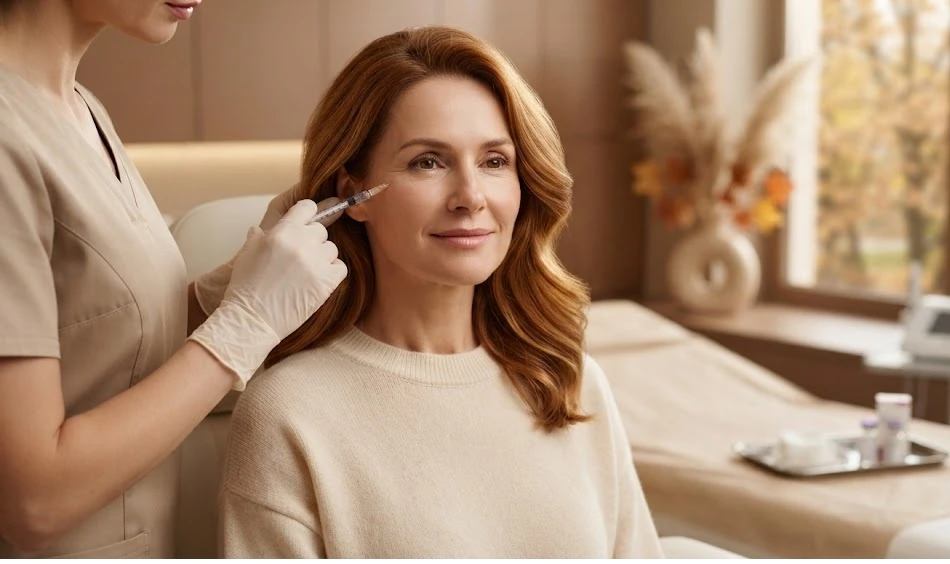
Mesotherapy is a method in which ingredients selected according to the needs of the skin are applied in order to support skin quality. It can be evaluated in suitable patients in order to support the moisture balance, elasticity and renewal process of the skin in case of postpartum stretch marks.
Mesotherapy can be planned alone or in combination with other skin resurfacing applications. The application decision should be made according to the condition of the cracks and the person's skin structure.
Applications That Support Collagen Production
Since stretch marks are caused by the weakening of the skin's support tissue and the change in its fiber structure, practices that support collagen production are important. Microneedling, radiofrequency-assisted procedures and some skin resurfacing protocols can be evaluated for this purpose.
The aim of these procedures is to stimulate the skin's natural repair response and help achieve a firmer, more balanced and smoother appearance over time.
Laser Treatments

Laser treatments are among the methods that can be planned according to the color, depth and skin type of the stretch marks. While approaches targeting color appearance may come to the fore in newly formed red cracks, laser options to improve tissue quality can be considered in old and white cracks.
In laser applications, skin type, blemish tendency and healing process should be carefully examined. Personalized planning is important to reduce the risk of post-procedural blemishes, especially in darker skin types.
Combined Treatments
For some cracks, combined treatments may be more appropriate instead of a single method. For example, applications such as mesotherapy, microneedling, laser or radiofrequency can be evaluated together in different sessions or within certain protocols.
In combined treatments, the goal is to address both skin texture and color and surface difference together. However, the same combination may not be correct for every patient.
The Same Treatment Is Not Suitable for Every Crack
Pregnancy stretch marks vary from person to person. While some cracks may be thin and superficial, some may be deeper, widespread and obvious. In some people, the stretch marks remain red or purple, while in others they may turn white in a short time.
Therefore, it is not right to proceed with a standard application list in the treatment of cracks. First, the skin must be evaluated, the stage of the stretch marks must be determined, and the person's expectations must be clarified.
What to Look for When Creating a Treatment Plan?
Color of cracks
Depth of cracks
Area where cracks are located
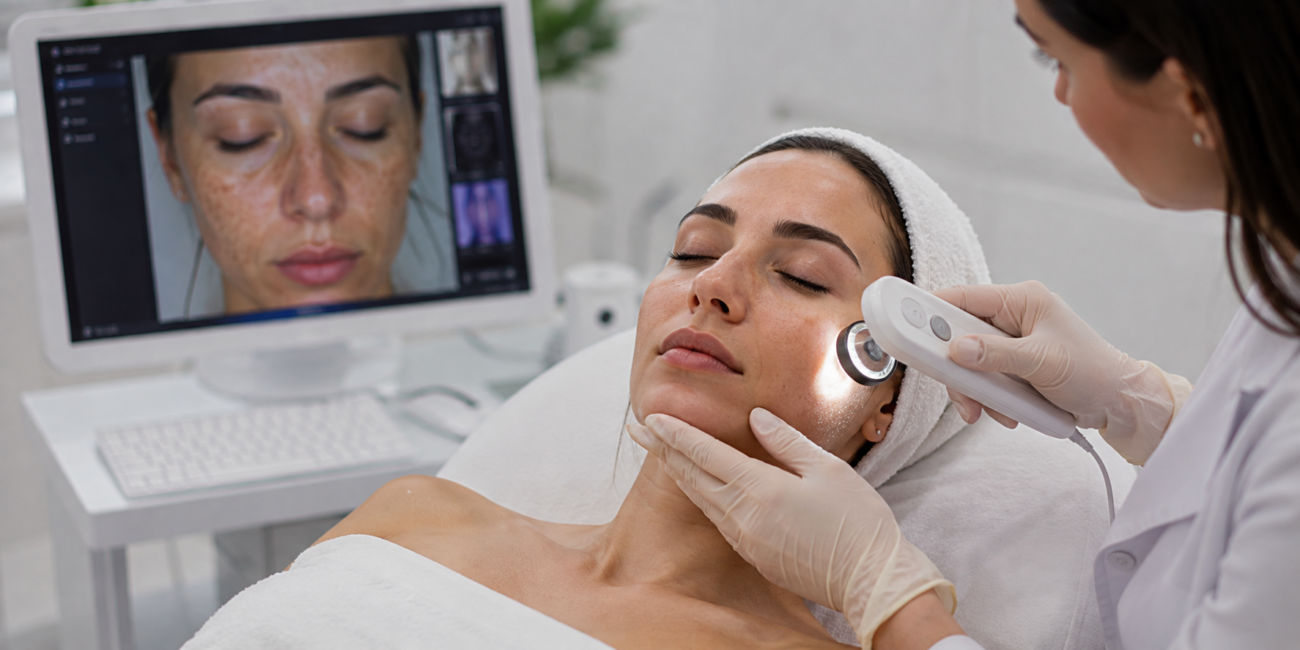
Skin type and blemish susceptibility
Time after birth
Breastfeeding status
Person's expectation
Previous transactions
General health condition
As a result of this evaluation, a personalized treatment plan can be prepared for suitable patients.
Why is Realistic Expectation Important in Stretch Mark Treatment?
The aim of stretch mark treatments is to renew the skin, lighten the appearance and support skin quality. However, no treatment gives the same results in every patient. It is not right to have a definite expectation that the cracks will be completely erased.
The treatment process usually proceeds in sessions. Results appear over time according to the person's skin response. In some patients, the color difference decreases, in some patients the texture appears smoother, and in some patients the clarity of the cracks becomes lighter.
Therefore, it is important to have a detailed discussion with the physician before the treatment, to determine the expectations correctly and to plan the process individually.
What Can Be Done to Reduce the Formation of Stretch Marks During Pregnancy?
Although it is not always possible to completely prevent stretch marks during pregnancy, some points can be taken into consideration to support the skin.
Moisturizing the Skin Regularly
Moisturizing the skin regularly throughout pregnancy can reduce the feeling of dryness and tightness. Moisturizer can be applied with gentle massage, especially to the abdomen, chest, hips and hip areas.
Paying Attention to Balanced Weight Gain
Weight monitoring during pregnancy should be done with the recommendation of a physician. The aim is not to not gain weight, but to achieve balanced weight gain in accordance with the health of mother and baby.
Supporting Nutrition
A balanced diet in terms of protein, vitamins, minerals and healthy fats supports skin health. Adequate nutrition is important for the skin's regenerative capacity.
Not Irritating the Skin
Skin may be more sensitive during pregnancy. Harsh peelings, unconscious use of cosmetic products and active ingredients applied without a doctor's recommendation can irritate the skin.
Avoiding Product Use Except Doctor's Recommendation
Some cosmetic ingredients may not be suitable during pregnancy and breastfeeding. Physician advice should be sought, especially regarding active ingredients such as products containing retinoids.
When Should You Consult a Doctor for Postpartum Stretch Marks?
An assessment may be helpful if stretch marks after childbirth are bothersome, the skin has become noticeably lax, the marks are widespread, or you are unsure which treatment might be appropriate.
Early evaluation allows determining the appropriate approach to the stage of the cracks. Timing is important as the treatment plan for red and new stretch marks and whitened old stretch marks may differ.
Personalized Approach for Postpartum Stretch Mark Treatment in Başakşehir
Pregnancy and the postpartum period is a sensitive period in which many changes occur in the woman's body. In this process, the appearance of cracks may be important not only in terms of aesthetics but also in terms of the person's well-being.
The most appropriate approach to stretch marks after childbirth is a comprehensive skin assessment and an individual plan. Mesotherapy, treatments intended to support collagen production and laser treatments may be considered for suitable patients.
Dr Tuba Nadide Yılmaz's clinic in Basaksehir provides individual assessments of skin changes and stretch marks after childbirth. Treatment options are considered according to skin type, needs and expectations, following a medical examination.
Frequently Asked Questions

Is it normal to have stretch marks during pregnancy?
Yes. Stretch marks in the abdomen, breasts, hips and hips are common during pregnancy. This situation is not explained only by lack of maintenance. Many factors such as genetic predisposition, skin structure, hormonal changes and weight gain are effective.
Why did stretch marks appear even though I used cream?
Creams can moisturize the skin and reduce feelings of tightness. However, since crack formation is associated with the deeper layers of the skin, the use of creams cannot always completely prevent stretch marks.
Will stretch marks disappear completely after birth?
Stretch marks may fade and become less noticeable over time. Treatments can help reduce the appearance, but there is no absolute guarantee that it will disappear completely.
Is laser effective in treating stretch marks?
Laser treatments may help reduce the appearance of stretch marks in suitable patients. Which laser is suitable is determined by the color of the crack, its depth, skin type and the person's expectations.
Can mesotherapy be applied for stretch marks?
In suitable patients, mesotherapy can be evaluated to support skin quality and contribute to the regeneration process. It can be planned alone or together with other applications.
How many sessions are required for crack treatment?
The number of sessions varies depending on the extent and depth of the cracks, skin structure and the selected treatment method. Clear planning is made after physician evaluation.
Can stretch marks be treated while breastfeeding?
Not every procedure is suitable during breastfeeding. The doctor should consider the mother's general health, breastfeeding, the proposed method and the treatment area before making a decision.
We are here for your questions
Contact our clinic for information and appointment requests.
Contact the clinic