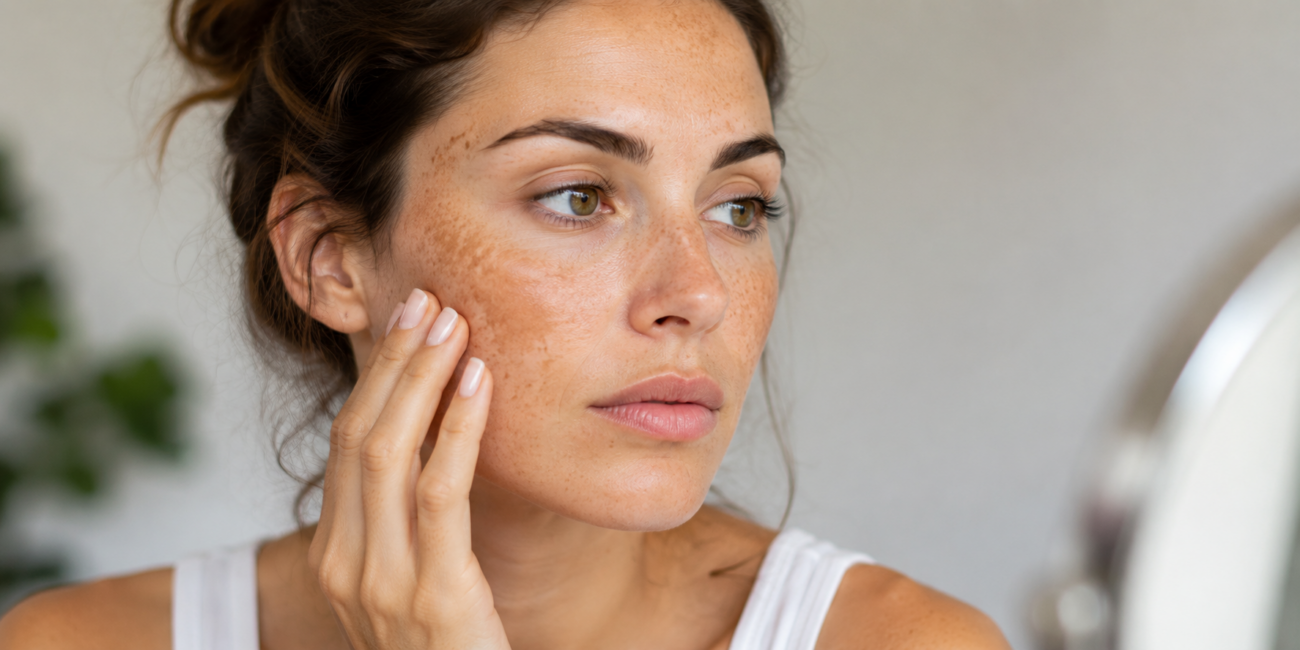
By the end of the summer months, brown areas that were previously unnoticeable on the skin become evident, existing spots become darker, and skin tone becomes more uneven. Among the common complaints are:
Especially after increased sun exposure during the holiday period, post-summer skin spots, dullness, dryness and uneven tone may become more visible.
However, not every brown spot on the face is the same. Melasma, sun-related spots and post-inflammatory pigmentation have different characteristics. Therefore, when planning sunspot treatment, the first step should be to determine the type of the spot, not to choose an application.
Why Do Skin Blemishes Increase After Summer?
Sunlight can affect melanocytes, which are responsible for pigment production in the skin. Melanin production may also increase with increased ultraviolet exposure.
For this reason, pigment differences in skin exposed to intense sun throughout the summer may become more noticeable as autumn approaches.
These changes are more easily noticed, especially in areas that are more exposed to the sun, such as the face, forehead, cheeks, nose area, décolleté and hands.
Does using sunscreen on holiday completely prevent blemishes?
The use of sunscreen is extremely important, but alone it does not completely eliminate exposure to sunlight.
Applying an insufficient amount of the protector, not renewing it during the day, not re-applying after the sea or pool, and staying in direct sun for a long time may reduce the protection.
For this reason, sun protection should not only consist of using cream for people who are prone to blemishes.
Are Every Sunspot Melasma?
No. This distinction is very important in terms of treatment.
Although the term "sunspot" is used among the public for many different pigmentation problems, their formation mechanisms and treatments are not the same.
What is melasma?
Melasma is a pigmentation problem that usually occurs with symmetrical brown or grey-brown areas on the face and can be chronic and recurrent.
It can be seen especially around the cheeks, forehead and upper lip.
Sun exposure plays an important role in the prominence of melasma. Hormonal factors can also affect the development of melasma.
Pigmentation changes that occur during pregnancy are one of the known examples of this.
How are sun spots different?
Sun-related brown spots, called solar lentigo, are mostly associated with sun exposure accumulated over the years.
In addition to the face, it can be seen in sun-exposed areas such as the backs of the hands, shoulders and décolleté.
Since the treatment approach for melasma and solar lentigo is not the same, it is important to evaluate the spot correctly before the procedure.
Why Can Melasma Darken in Summer?
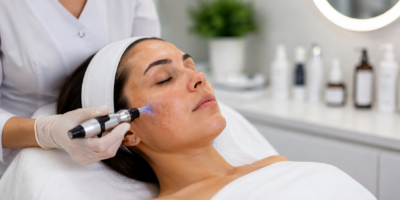
Melasma can be very sensitive to sunlight.
It has been shown that not only ultraviolet rays, but also visible light can worsen melasma, especially in some skin types.
Therefore, for people with melasma, sun protection is not a part of the treatment applied only during the summer months.
Is sunscreen selection important in melasma?
Yes.
It is important to use broad spectrum products that provide at least SPF 30 protection regularly.
For some people prone to melasma and hyperpigmentation, tinted sunscreens containing iron oxide may provide additional protection against visible light.
A hat, shade, and avoiding direct sun are also important parts of protection.
Why is Autumn an Important Period for Blemish Care?
When autumn comes, the sun does not disappear completely. Therefore, the idea that "summer is over, sun protection is no longer needed" is not true.
However, when intense sun exposure decreases during the summer, the current condition of the skin can be re-evaluated.
This period becomes especially evident at the end of summer;
- Sunspots
- Melasma
- Skin tone unevenness
- A dull appearance
- Dryness
- Signs of photo-aging This may be an appropriate evaluation period to create a care and treatment plan for
.
The important point here is not to interpret the arrival of autumn as automatically meaning that every action can be done.
When Should Spot Treatment Begin?

Autumn skin care and the timing of spot applications vary from person to person.
It may not be appropriate to perform some procedures immediately on a person who has active sunburn, has recently tanned heavily, or has a sensitized skin barrier.
First of all, the skin needs to calm down and evaluate whether it is in a suitable condition for the application.
For this reason, there is no calendar that can be applied to everyone such as "Blemish treatment must be started in September".
How to Plan Sunspot Treatment?
Sunspot treatment does not consist of a single method.
The type of stain, its depth, the person's skin type, previous treatments and pigmentation tendency should be evaluated together.
Depending on the individual in the treatment plan;
- Regular sun protection
- Dermocosmetic products for home use
- Physician-recommended topical treatments
- Chemical Peeling
- Spot mesotherapy
- Different medical aesthetic applications in suitable patients
can be evaluated.
Not all of these methods are needed in every patient.
What is Blemish Mesotherapy?

Blemish mesotherapy is a general expression used to describe methods that involve the application of different active ingredients into the skin for pigmentation problems.
There is an important detail here: Not every mesotherapy is the same.
The content used, application method, session intervals and the targeted problem may vary.
What ingredients are researched in spot mesotherapy?
There are scientific studies on methods such as intradermal tranexamic acid in the treatment of melasma. Some studies have reported a decrease in pigmentation severity.
However, due to the existence of different application protocols, it is not correct to say that every "spot mesotherapy" application will have the same effect.
Treatments, especially tranexamic acid, should not be used without evaluating the person's health history and risks.
Therefore, spot mesotherapy planning should be made according to the content used and the characteristics of the person.
Is Chemical Peeling Used for Sunspots?
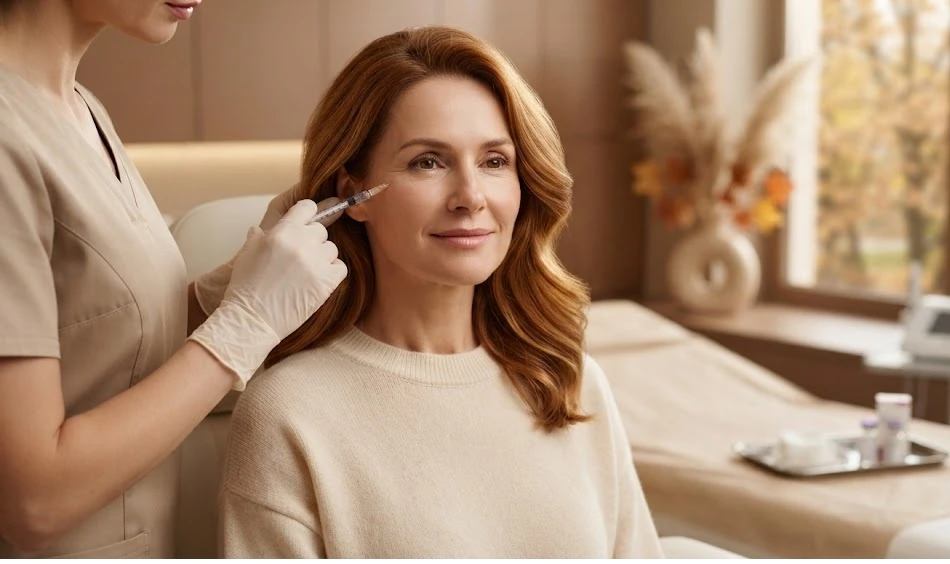
Chemical peeling is one of the medical aesthetic applications that aims to create controlled regeneration in certain layers of the skin.
There are different peeling agents and applications at different depths.
Especially some superficial peelings can be used as a supportive treatment for melasma and different pigmentation problems.
However, it should not be thought that a stronger peeling will necessarily provide better results.
Can improper peeling increase blemishes?
Post-inflammatory hyperpigmentation may develop after excessive irritation, especially in skin prone to pigmentation.
Therefore, the content, concentration and depth of application of the peeling should be determined according to skin type.
Active tan and recent intense sun exposure should also be taken into account in the timing of the procedure.
Can PRP be used in spot treatment?

PRP is a procedure in which platelet-rich plasma prepared from the person's own blood is used.
It is used to support skin quality and for different purposes in the field of medical aesthetics.
Although positive results have been reported in PRP studies on melasma, scientific data is not yet clear enough to support PRP as a standard and stand-alone spot treatment.
For this reason, PRP should not be considered as an application that "removes sunspots".
If the person's main problem is pigmentation, the type of spot should first be determined and then it should be evaluated whether PRP really has a place in the treatment plan.
Can Home Stain Care Be Sufficient?
Proper home care is very valuable in preventing slight tone unevenness and new sun-related pigmentation.
In particular, regular sun protection forms the basis of treatment, even if professional treatment is performed.
What should be considered in home maintenance?
A gentle cleanser suitable for your skin type, moisturizer and regular sun protection are important parts of basic care.
It is not right to use anti-stain active products randomly together.
Using too many acids, retinoids or strong actives at the same time can disrupt the skin barrier. The resulting irritation may cause spots to become more noticeable, especially on skin prone to pigmentation.
What is the Difference Between Home Care and Clinical Practices?
One of the most important purposes of home care is to support the skin barrier, protect from the sun and provide regular care with appropriate actives.
In clinical applications, more controlled and personalized protocols can be planned according to the characteristics of the skin and the spot.
These two approaches are not rivals.
In most cases, successful stain management goes hand in hand with daily care and professional evaluation.
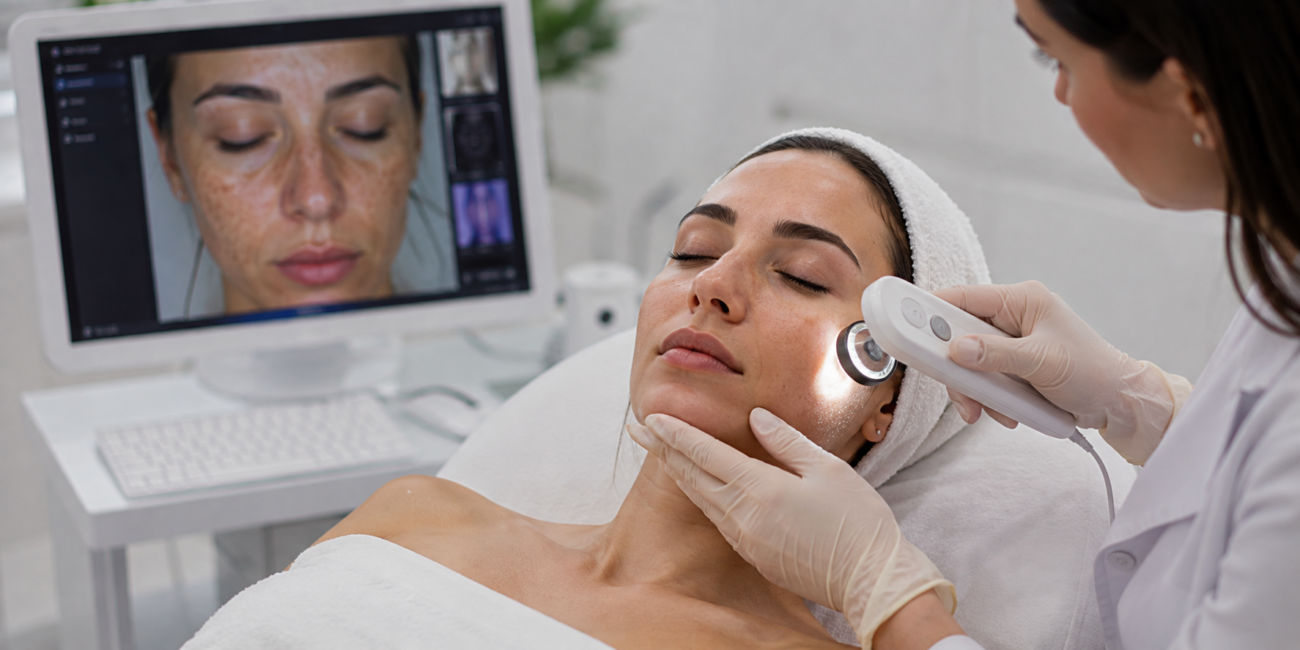
Why should skin analysis be done first in spot treatment?

Two spots that appear brown on the mirror may have completely different causes.
Therefore, it is important to evaluate the characteristics of pigmentation before deciding on direct mesotherapy, peeling or any other application.
What is looked at in the evaluation?
- When the stain appeared
- Whether it changes in summer
- Distribution of the stain
- Skin type
- Pregnancy and hormonal history
- Current medicines
- Previously applied spot treatments
- Skin sensitivity
- Sun exposure
- Daily skin care products
This information may be helpful in determining appropriate treatment.
What are the Most Common Mistakes in Spot Treatment?
The desire to quickly eliminate blemishes after summer can sometimes lead to over-treatment of the skin.
In particular:
- Uncontrolled use of strong acids seen on the Internet
- Starting multiple stain products at the same time
- Not adequate sun protection after peeling
- Treating melasma as an ordinary sunspot
- Continuing active products despite skin irritation
- Expecting permanent results in several applications
may lead to undesirable results.
It should not be forgotten that melasma is a chronic pigmentation problem that has a tendency to recur.
Sun Protection is Again the Basis of Autumn Skin Care
Cooler weather in autumn does not mean that UV exposure is completely eliminated.
Therefore, sun protection should be the basis of the autumn skin care plan.
It is important to use the protector regularly, especially for people receiving spot treatment, to renew it if they will be spending a long time outdoors, and to use physical protection methods.
Conclusion: It is necessary to determine the type of the stain first
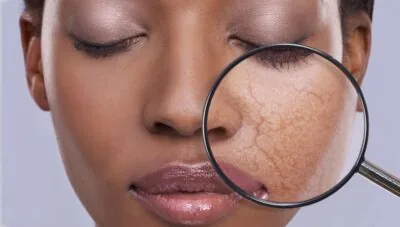
Post-summer skin spots may become more noticeable after sun exposure. However, not every pigmentation problem seen on the face is the same.
Since melasma, sun spots and post-inflammatory hyperpigmentation have different characteristics, sunspot treatment should be planned individually.
Autumn can be a good time to evaluate changes that occurred over the summer and create an appropriate maintenance plan. However, the timing of the treatment should be determined by the current condition of the skin rather than the calendar.
In addition to sun protection and appropriate home care, spot mesotherapy, chemical peeling, PRP and other skin resurfacing applications may be included in the evaluation for selected individuals.
Op. Dr. 'Tuba Nadide Yılmaz Clinic'Mesotherapy, PRP and chemical peeling options are available within the scope of medical aesthetic applications. Application selection for blemish complaints can be planned by evaluating the current condition of the skin, pigmentation characteristics and the needs of the person.
Contact us to discuss an appropriate treatment plan.
We are here for your questions
Contact our clinic for information and appointment requests.
Contact the clinic